Part Load vs Dedicated Van: Which Move Suits You?
When you get quotes for a move, you will often see two very different prices for what looks like the same job. The reason is usually the vehicle arrangement: are your goods sharing the van with other customers’ loads, or is the whole vehicle yours? Understanding the part load vs dedicated van choice is one of the quickest ways to avoid overpaying — or booking the wrong service. This guide explains both options plainly and helps you pick the right one.
What is a part-load move?
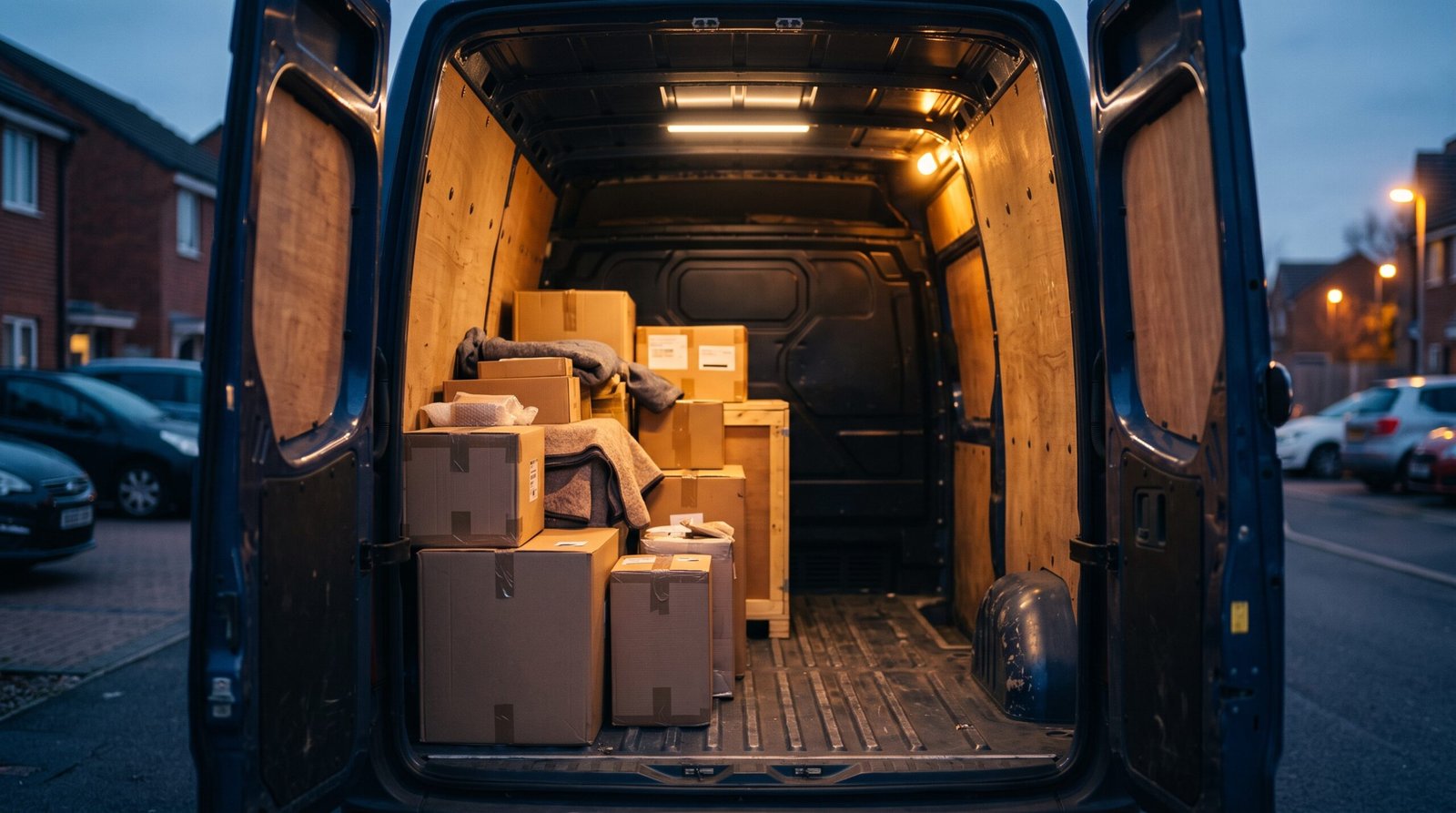
A part-load (sometimes called a shared load or groupage) means your goods travel in a van or lorry alongside other customers’ goods heading in the same general direction. You pay only for the space your items occupy, not the whole vehicle. The haulier plans a route with multiple collections and deliveries, which is why part-load quotes are typically much cheaper than booking a vehicle to yourself.
The trade-off is flexibility. Because the driver is working a multi-drop route, collection and delivery happen within time windows — often a day or two — rather than at an exact hour. Your goods will also be loaded and unloaded alongside other people’s, which means more handling. Part-load is the backbone of how transport marketplaces keep prices low: a haulier with half-empty space on a return journey would rather fill it cheaply than drive back empty, and that saving flows to you. See how Shiply works for why this model suits bidding platforms so well.
What is a dedicated van?
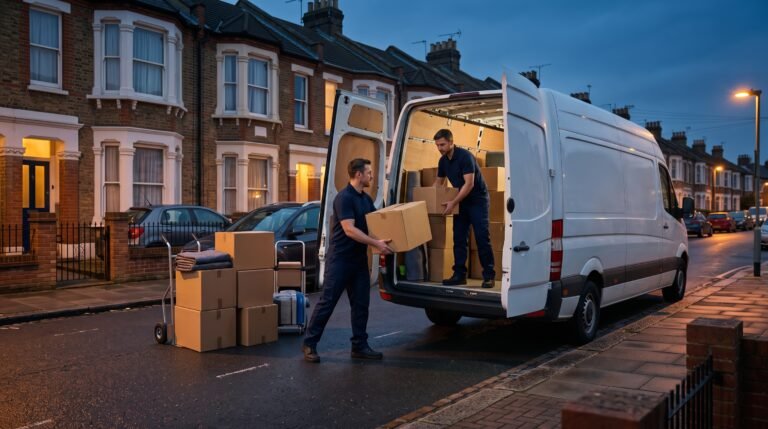
A dedicated van — also called an exclusive or full-load service — means the entire vehicle is yours for your move. It arrives, loads only your goods, drives directly to your destination, and unloads. Nobody else’s furniture is in the back, and the schedule revolves around your dates.
You pay for the whole vehicle and the driver’s full time, so it usually costs more than a part-load for the same distance. What you buy with that premium is control: exact collection and delivery times, a direct route with no detours, minimal handling of your goods, and a simpler chain of responsibility if anything goes wrong. For full house moves, tight deadlines, or valuable items, dedicated is the standard recommendation.
Cost compared
Part-load is typically the cheaper option — sometimes substantially so — because you are splitting the vehicle’s running costs with other customers. The saving is biggest on long-distance routes where hauliers are keen to avoid empty return legs. If your dates are flexible and your load is small, part-load bidding can produce genuinely low prices.
Dedicated usually costs more, and the premium grows with distance and vehicle size. But compare carefully: for a full house move, a part-load quote for the equivalent of a whole van’s worth of space may not be much cheaper than dedicated, while giving you less control over timing. The part load vs dedicated van cost question only has a clear answer once you know your load size — get both quotes and compare them directly.
- Part-load usually wins for small loads, single items, and flexible dates — you pay for space, not the vehicle.
- Dedicated can be similar value for full loads, where you would be paying for most of the vehicle anyway.
- Watch the extras: check whether quotes include loading help, waiting time, and insurance before comparing numbers.
Timing and flexibility
Dedicated moves run to your timetable. You agree a collection slot and a delivery slot, and the van goes straight from A to B. If you are completing on a house purchase on a Friday and need everything in that day, this certainty is worth paying for.
Part-load runs to the haulier’s timetable. You will be given a window — commonly one to three days — and the exact arrival time depends on the other drops on the route. That works fine if you have somewhere to stay or storage arranged, but it can be stressful with a fixed key-handover date. A missed completion date costs far more than the saving.
Handling, security and risk
Reputable hauliers use blankets, straps, and careful stacking, but the risk is inherently higher than a single direct load.
Security works the same way: with a dedicated van, your goods are the only goods, and the vehicle goes straight to your address. With part-load, your items share space with strangers’ property across several stops. For most household goods this is a non-issue, but for high-value, fragile, or irreplaceable items — artwork, antiques, heirlooms — dedicated is the safer choice. Either way, confirm the haulier’s goods-in-transit insurance covers your items’ value, and photograph everything before it is loaded.
Part load vs dedicated van: which one suits you?
- Choose part-load if you are moving a few items or a small flat, your dates are flexible, and keeping the cost down matters more than exact timing.
- Choose a dedicated van if you are moving a full house, have a fixed completion or key-handover date, or are moving valuable or fragile goods you want handled minimally.
- Ask for both quotes whenever your load is close to filling a van — the price gap is often smaller than people expect, and then the decision comes down to timing and peace of mind.
If you are still unsure which fits, post your move details and let transport companies quote for both options — many will suggest the arrangement that suits your load once they see it. You can also browse registered transport companies to contact hauliers directly.
Frequently Asked Questions
How long does a part-load move take compared to dedicated?
A dedicated van usually completes the journey in a single trip on your agreed date. A part-load can take several days longer because the haulier is working a route with multiple collections and deliveries. Ask for the delivery window in writing before you book, and make sure it fits your plans.
Is my furniture safe sharing a van with other people’s goods?
Generally yes with a reputable haulier — professional operators separate loads with blankets and straps and load strategically. The risk of minor damage is slightly higher than a dedicated move because of the extra handling. Photograph your items beforehand and confirm insurance cover, and consider dedicated for anything irreplaceable.
Can I get a part-load quote on a transport marketplace?
Yes — part-load jobs are exactly what transport marketplaces do best. Hauliers bid to fill spare space on journeys they are already making, which is why flexible, small-load listings often attract the most competitive bids. List your goods accurately so bidders can judge the space needed.
What counts as a “full load” that justifies a dedicated van?
There is no fixed threshold, but as a rough rule: if your goods would fill most of a Luton van or larger, dedicated usually makes sense on both cost and practicality. Below that — a room’s worth of furniture, a few bulky items, a single vehicle — part-load is typically the better value.
Ready to compare real quotes? Request your move and see part-load and dedicated prices side by side from UK transport companies.